G. Sayeed Choudury
Mr. Choudhury, who holds the Hodson Directorship in Digital Research, was appointed associate director of the Sheridan Libraries digital programs in 2003.
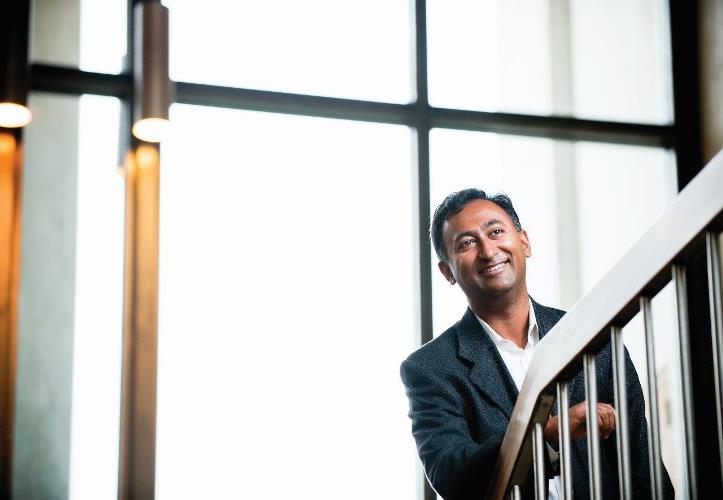
Mr. Choudhury, who holds the Hodson Directorship in Digital Research, was appointed associate director of the Sheridan Libraries digital programs in 2003.
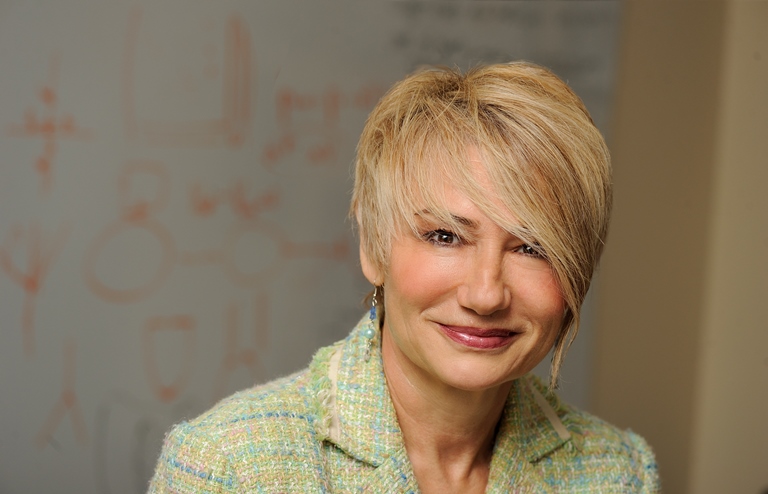
Dr. Trayanova’s research centers around understanding the normal and pathological electrophysiological and electromechanical behavior of the heart. She is the Murray B. Sachs Professor.
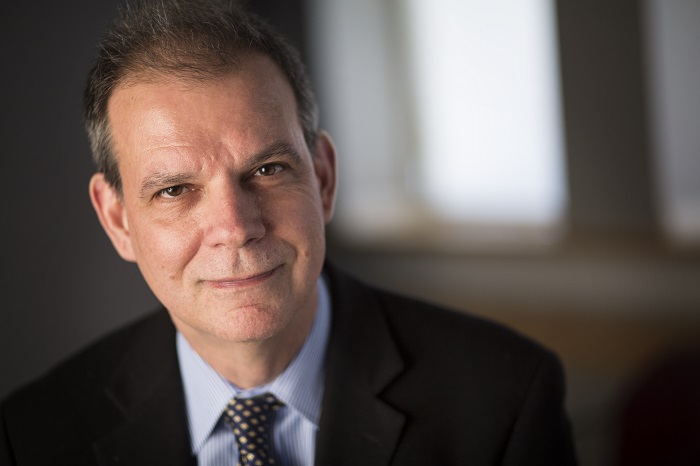
Dr. Casadevall’s groundbreaking work on infectious diseases is widely known. He has received several of the highest honors in medicine and health, and holds the Alfred and Jill Sommer Professorship and Chairmanship.
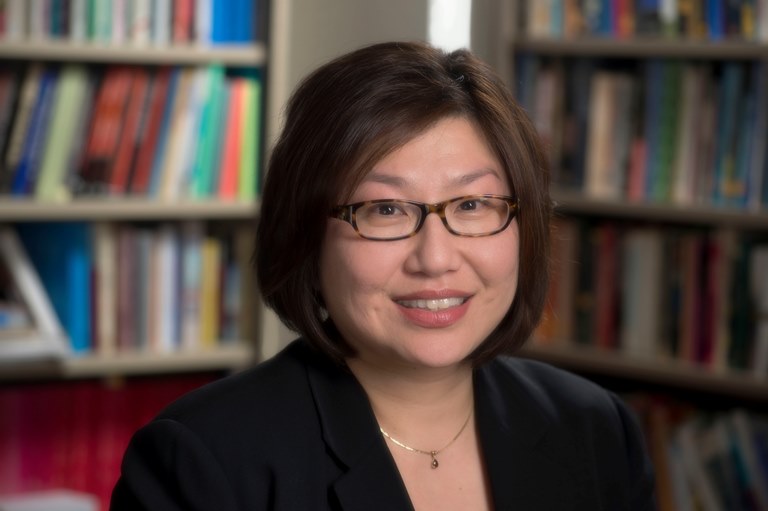
Dr. Chung, the inaugural Charles D. Miller Professor, joined the Hopkins faculty in the Department of Political Science in 2004, where she teaches courses in comparative politics and East Asian politics.
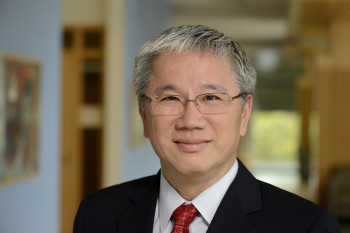
Professor Wang, the R. Clayton Emory Chair in Real Estate and Infrastructure, joined the Carey Business School in 2014 and leads the Edward St. John Real Estate Program.
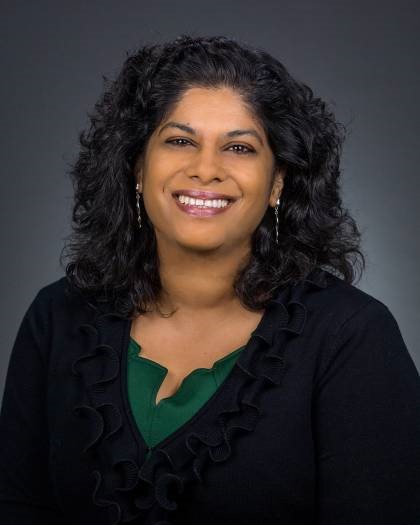
Ashani T. Weeraratna, Ph.D., is the E.V. McCollum Chair of Biochemistry and Molecular Biology at the Bloomberg School of Public Health, a Bloomberg Distinguished Professor, and co-leader of the Cancer Invasion and Metastasis Program at the Johns Hopkins Sidney Kimmel Comprehensive Cancer Center.
Learn More About the Professorship
Watch this Quick Study: “Why are older adults more susceptible to getting cancer?”
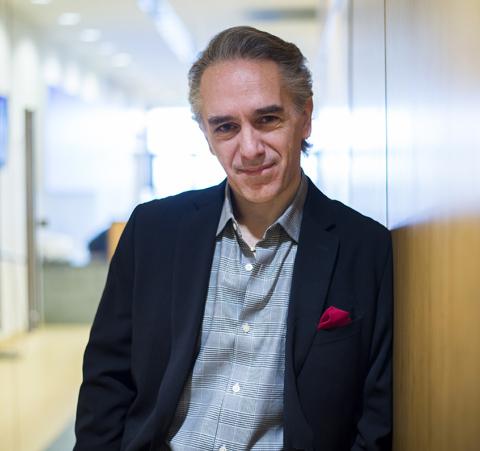
Federico M. Bandi is the inaugural appointee to the James Carey Endowed Professorship in Business at the Johns Hopkins Carey Business School.
Learn More About the Professorship
Watch this Quick Study: “Are cryptocurrencies a good investment for individuals and households?”